Wildlife · ranked
The best whale
watching on earth.
Ten places worth flying for, ranked by what you will actually see and how reliably — with seasons, costs from the UK, and an honest note on which boats to avoid.
Direct from LHR
~10h 45m non-stop
Time difference
GMT + 5h 30m
Visa
ETA online · ~£40
Pricing
Quoted in £ GBP
Plan from your country
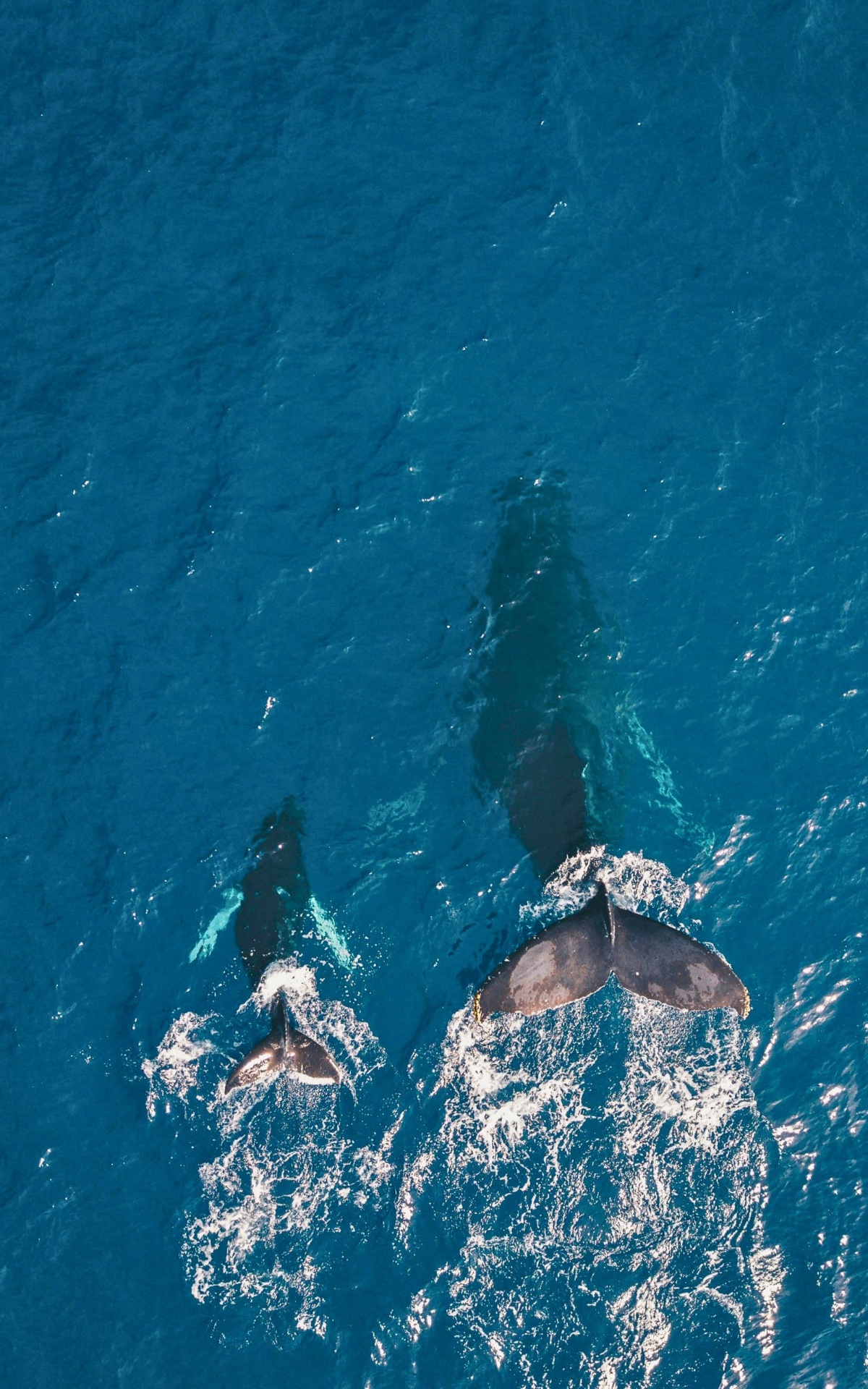
1. Mirissa, Sri Lanka — blue whales
Season: December to April. Species: blue whale, sperm whale, Bryde's whale, spinner dolphin in the hundreds.
The continental shelf drops away only a few miles off Dondra Head, which puts the deep-water feeding grounds within a 40-minute run of the harbour. Nowhere else on earth combines blue whales, a short crossing and an 80%-plus sighting rate in peak season.
The catch is the boats. Mirissa's group operators have a bad habit of racing each other at the animals. Charter privately with a naturalist aboard — £400–£700 for the boat, out at 6am, back by 11am, and the rest of the day on a south-coast beach. Mirissa.
2. Trincomalee, Sri Lanka — the summer alternative
Season: June to September, exactly when Mirissa is closed by swell. Same blue whales, calmer water, a fraction of the boats. This is the reason a British summer trip to Sri Lanka should be built around the east coast. Trincomalee.
3. Northern Norway — orcas and humpbacks
Season: November to January, following the herring into the fjords around Skjervøy and Tromsø. Orcas and humpbacks feeding together under four hours of Arctic daylight, often with the aurora overhead the same night. £150–£250 per person per day; RIB trips are cold and superb.
4. Hervey Bay, Australia — humpbacks
Season: July to October. Humpbacks stop here to rest with calves rather than passing through, so the encounters are long and curious rather than glimpsed. The most reliable humpback watching anywhere.
5. Silver Bank, Dominican Republic — swimming with humpbacks
Season: January to April. One of very few places licensed for in-water humpback encounters, on week-long liveaboards. £3,000+ and booked a year out, but there is nothing else like it.
6–10. The rest of the top ten
6. Monterey Bay, California — blue, humpback and grey whales plus orca predation events, April to December. 7. The Azores — up to 20 species on migration, April to June. 8. Húsavík, Iceland — humpbacks and minke, June to August, from a whaling town turned research hub. 9. Baja California, Mexico — grey whale mothers that approach the boats in San Ignacio Lagoon, January to March. 10. Kaikōura, New Zealand — resident sperm whales year-round, an hour from Christchurch.
Choosing between them
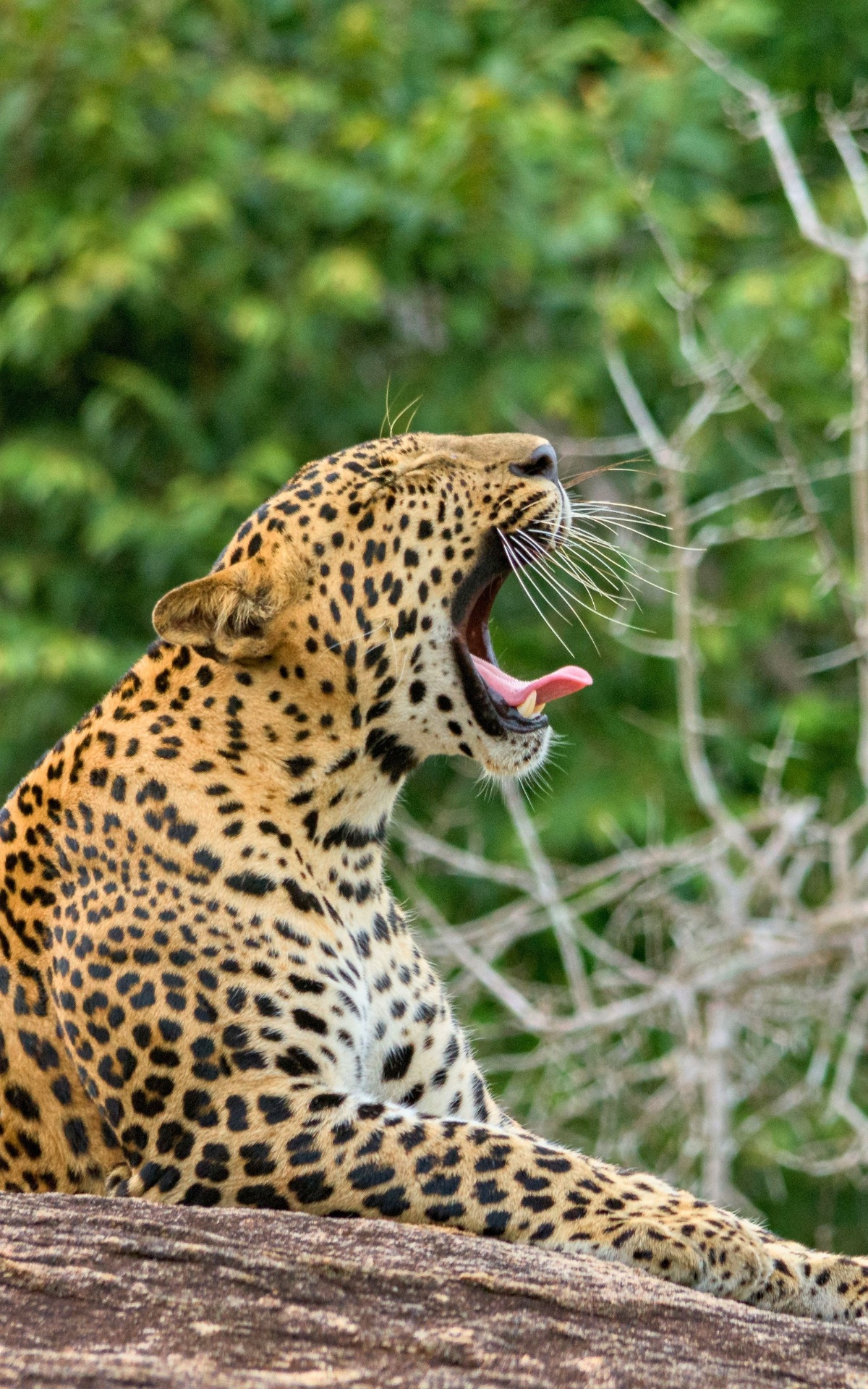
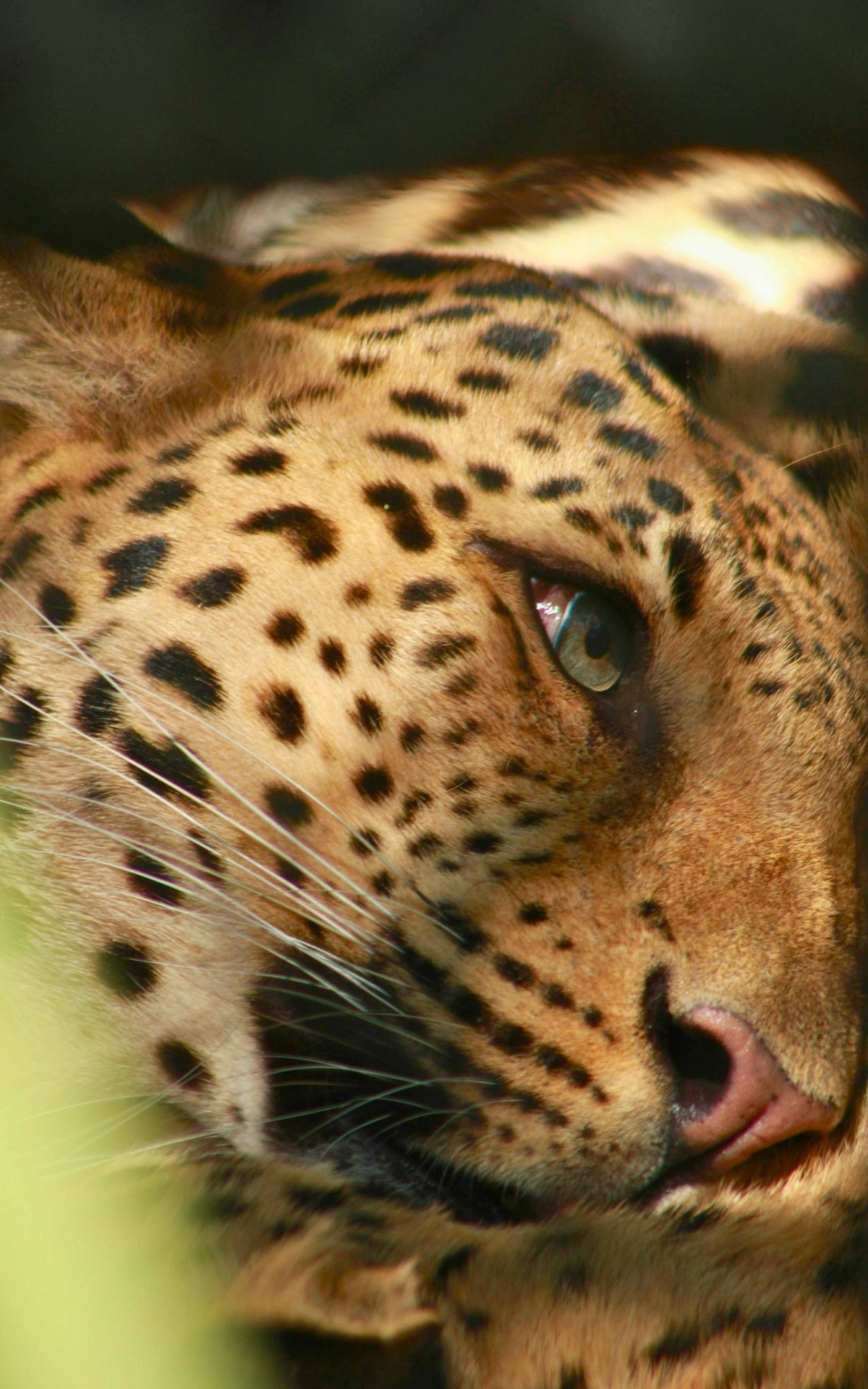
If you want the biggest animal that has ever lived, with a short boat ride and a proper holiday attached, Sri Lanka is the answer — and unlike Norway or Baja, the whales are one morning inside a trip that also delivers leopards, tea country and a beach.
See Sri Lanka wildlife tours, the weather by month, or tell us your dates and we will build the trip around the season.
Plan with us
A senior planner will reply within 24 hours.
Personalised itinerary, indicative pricing in £, no obligation.
Begin your bespoke journeyCompare at a glance
Which Sri Lankan destination is right for you?
The short answer: pair one cultural stop, one hill-country stop and one coast. This table compares what each place is best for, when to go, how long to stay and how far it is from Colombo.
Cultural Triangle
- Best for
- First-timers, history, the iconic rock climb
- Best months
- Jan–Sep (driest Feb–Aug)
- Ideal stay
- 2 nights
- From Colombo
- 4 hrs by car · 30 mins by helicopter
- Pairs with
- Kandy, Habarana safaris
Central Highlands
- Best for
- Culture, temple ritual, a soft landing before the hills
- Best months
- Jan–Apr, Jul–Sep
- Ideal stay
- 1–2 nights
- From Colombo
- 3–3.5 hrs by car · 2.5 hrs by train
- Pairs with
- Sigiriya, Nuwara Eliya
Tea Country
- Best for
- Tea bungalows, cool air, Horton Plains
- Best months
- Jan–Apr
- Ideal stay
- 2–3 nights
- From Colombo
- 5 hrs by car
- Pairs with
- Kandy, Ella
Hill Country
- Best for
- The train ride, walks, relaxed hill romance
- Best months
- Jan–Apr
- Ideal stay
- 2–3 nights
- From Colombo
- 6 hrs by car · 45 mins by helicopter
- Pairs with
- Nuwara Eliya, Yala
South-east
- Best for
- Leopards and private dawn game drives
- Best months
- Feb–Jul
- Ideal stay
- 2 nights (4 drives)
- From Colombo
- 5 hrs by car
- Pairs with
- Ella, Tangalle
South
- Best for
- Guaranteed elephants, families with children
- Best months
- Year-round
- Ideal stay
- 1–2 nights
- From Colombo
- 4 hrs by car
- Pairs with
- Yala, the south coast
South-west Coast
- Best for
- Colonial fort, boutiques, villa living
- Best months
- Dec–Apr
- Ideal stay
- 2–3 nights
- From Colombo
- 1.5 hrs via expressway
- Pairs with
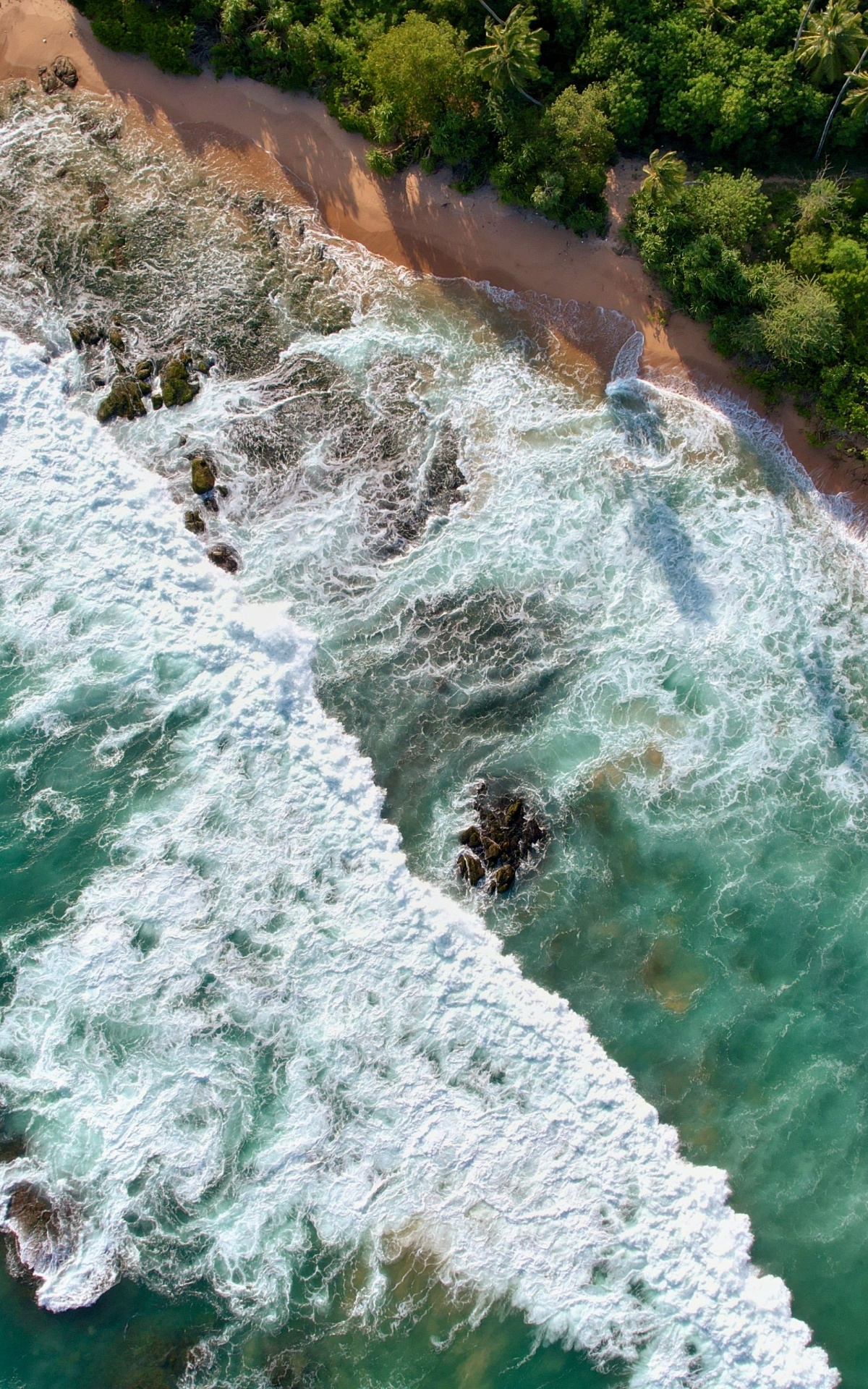
- Mirissa, Ahangama
South Coast
- Best for
- Blue whales, easy beach days
- Best months
- Nov–Apr (whales)
- Ideal stay
- 2–3 nights
- From Colombo
- 2 hrs via expressway
- Pairs with
- Galle, Tangalle
Far South Coast
- Best for
- Privacy, staffed villas, uncrowded sand
- Best months
- Dec–Apr
- Ideal stay
- 3–5 nights
- From Colombo
- 3 hrs via expressway
- Pairs with
- Yala, Galle
East Coast
- Best for
- Summer beaches when the south-west is wet
- Best months
- May–Sep
- Ideal stay
- 3–4 nights
- From Colombo
- 5.5 hrs by car · 1 hr by seaplane
- Pairs with
- Sigiriya, Pasikuda
Design your Sri Lanka journey
Name, email and a line about your trip is all we need — a senior planner replies within 24 hours.
Answers
Common questions
Where is the best whale watching in the world?+
For blue whales, Mirissa in southern Sri Lanka between December and April — nowhere else offers the largest animal on earth so close to shore. For humpbacks, Hervey Bay in Australia and Silver Bank in the Dominican Republic. For orcas, northern Norway in winter. For sheer variety, Monterey Bay in California.
Where can you see blue whales?+
Reliably in only a handful of places: off Mirissa and Trincomalee in Sri Lanka, the Gulf of Corcovado in Chile, Monterey Bay in late summer, and the Azores on migration. Sri Lanka is the most accessible and has the shortest run out to the animals — the continental shelf sits close to shore.
When is the best time to see blue whales in Sri Lanka?+
December to April off the south coast at Mirissa, and June to September off Trincomalee on the east. Sighting rates in peak season run above 80% on a good operator, and sperm whales and spinner dolphins are common on the same trip.
Is whale watching in Sri Lanka ethical?+
It depends entirely on the boat. The large group boats at Mirissa have a poor record of crowding animals. We use small private charters that follow approved distance rules and carry a marine biologist — more expensive, far better, and you are not sharing a deck with 80 people.
How much does whale watching cost?+
A shared boat in Sri Lanka is £30–£50 per person; a private charter with a naturalist is £400–£700 for the boat. Norway orca trips run £150–£250 per person per day, and liveaboard humpback trips at Silver Bank are £3,000+ per week.
What is the best whale watching for a first trip?+
Sri Lanka, on balance. The season overlaps with the best months for the rest of the island, the boats leave at 6am and you are back by 11am, and blue whales plus sperm whales plus dolphins in one morning is hard to beat anywhere.
Do you get seasick on whale watching trips?+
Some people do — the boats sit still while watching, which is the worst motion. Take medication an hour before boarding, stay on deck, watch the horizon. Mirissa mornings in January are usually calm; the swell builds after April, which is another reason the season ends when it does.