Weather · month by month
Sri Lanka weather,
coast by coast.
Two monsoons on opposite schedules mean somewhere on this island is dry in every month of the year. Here is which side, when, and what it means for your trip.
Direct from LHR
~10h 45m non-stop
Time difference
GMT + 5h 30m
Visa
ETA online · ~£40
Pricing
Quoted in £ GBP
Plan from your country
The one thing to understand
Sri Lanka does not have a wet season and a dry season. It has two monsoons that hit opposite coasts at opposite times, so the question is never "is it a good month" but "which side should I be on".
The Yala monsoon brings rain to the south and west from May to September. The Maha monsoon brings rain to the north and east from November to February. Add two short inter-monsoon periods — October and late March into April — when a heavy afternoon shower can arrive anywhere, and that is the whole climate in three sentences.
Temperature barely moves
Coastal Sri Lanka sits at 27–32C by day, all year, with 75–85% humidity and sea temperatures around 27C. Nothing you plan needs to account for cold at sea level.
Altitude does the work instead. Kandy at 500m is a few degrees cooler. Nuwara Eliya at 1,900m runs 18–22C by day and can drop to 8C at night in January — genuinely chilly, with open fires in the old planters' bungalows. Horton Plains before dawn is colder still.
Month by month, at a glance
| Month | What to expect |
|---|---|
| January | South & west dry, hills crisp, peak whales |
| February | Driest month overall, best all-round |
| March | Hot, dry, quieter than February |
| April | Inter-monsoon storms, New Year festivals |
| May | Yala monsoon starts on the south-west |
| June | East coast opens, south wetter |
| July | East at its best, Kandy Esala Perahera |
| August | East dry and calm, family season |
| September | East still good, low prices |
| October | Inter-monsoon, wettest island-wide |
| November | South & west drying out, good value |
| December | South & west dry, peak festive prices |
Each month has its own guide with routes, hotels and indicative prices for that time of year.
Rainfall, honestly
Monsoon rain here is not British drizzle. It arrives as a dense burst — an hour, sometimes two, usually late afternoon or overnight — and then it stops and the light goes gold. A "wet" week on the south coast in June still delivers most of its daylight hours dry.
What monsoon does affect is the sea. Swell on the south-west from May to September makes some beaches unswimmable even on a sunny day, and whale charters out of Mirissa stop. That, not rain, is the real reason to switch coasts.
The hill country is its own weather
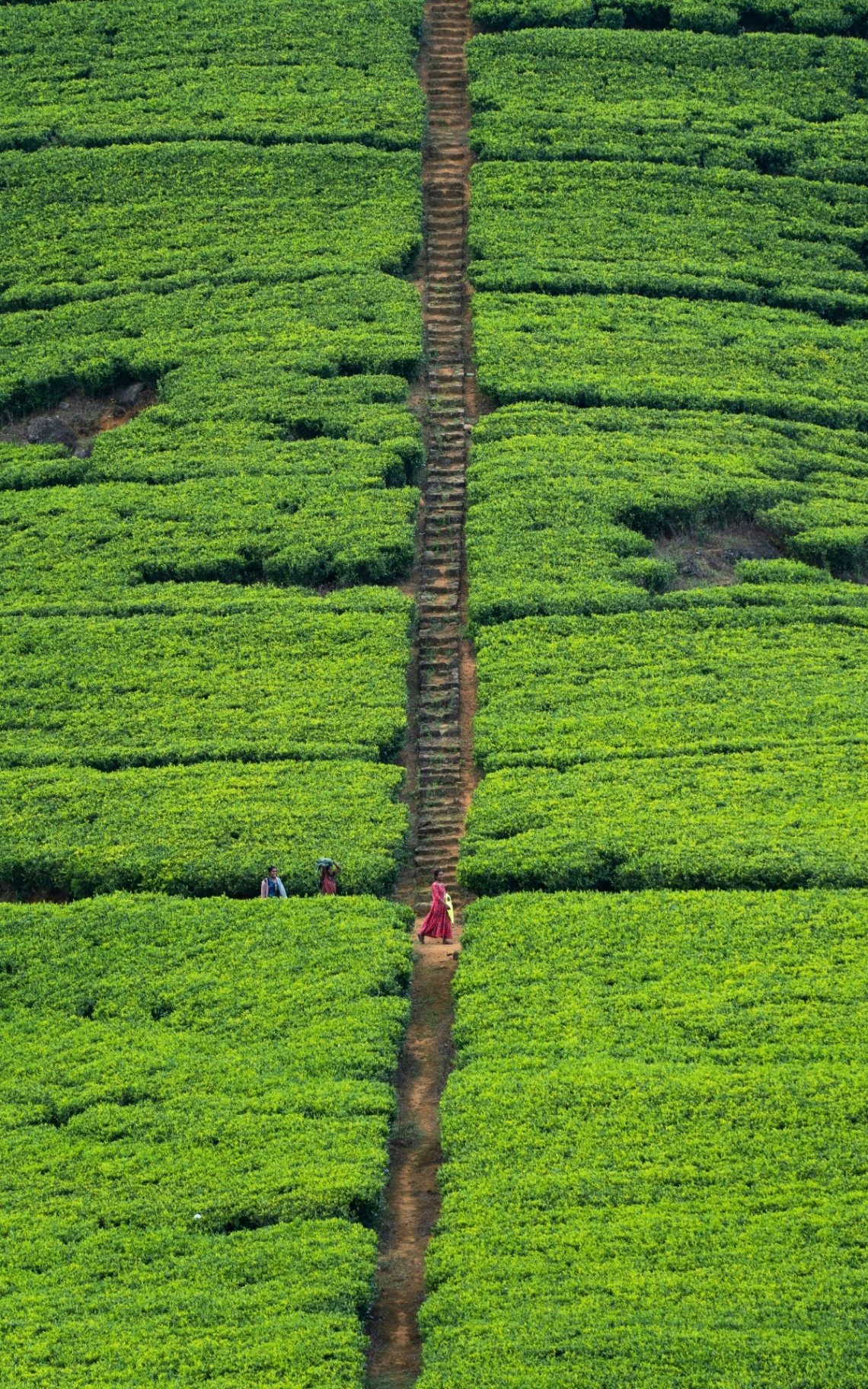
Tea country makes its own microclimate: mist most mornings, clear middays, cool evenings, and rain possible in any month. January and February give the sharpest views across the estates; June to August is greener and mistier, which photographs beautifully and hides Adam's Peak entirely.
So when should you go?
First trip, want everything to work: January or February. British school summer holidays: July or August, built around the east coast. Best value: late April, September, or the first half of November. Whales at Mirissa: December to April. Leopards at Yala: February to July, when the park is dry and the waterholes concentrate the game.
More detail in the best time to visit, and the practicalities in the UK visa guide.
Plan with us
A senior planner will reply within 24 hours.
Personalised itinerary, indicative pricing in £, no obligation.
Begin your bespoke journeyCompare at a glance
Which Sri Lankan destination is right for you?
The short answer: pair one cultural stop, one hill-country stop and one coast. This table compares what each place is best for, when to go, how long to stay and how far it is from Colombo.
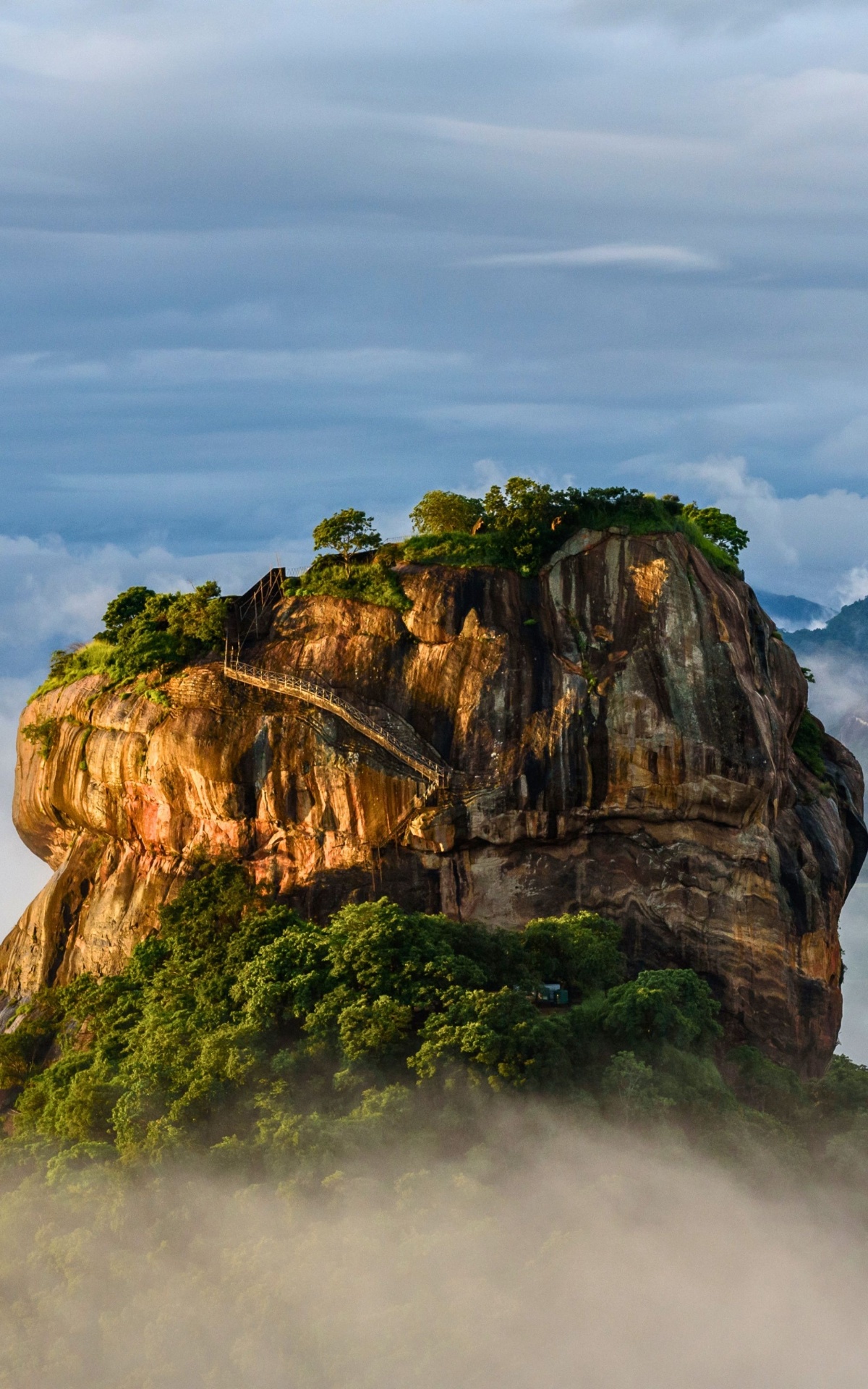
Cultural Triangle
- Best for
- First-timers, history, the iconic rock climb
- Best months
- Jan–Sep (driest Feb–Aug)
- Ideal stay
- 2 nights
- From Colombo
- 4 hrs by car · 30 mins by helicopter
- Pairs with
- Kandy, Habarana safaris
Central Highlands
- Best for
- Culture, temple ritual, a soft landing before the hills
- Best months
- Jan–Apr, Jul–Sep
- Ideal stay
- 1–2 nights
- From Colombo
- 3–3.5 hrs by car · 2.5 hrs by train
- Pairs with
- Sigiriya, Nuwara Eliya
Tea Country
- Best for
- Tea bungalows, cool air, Horton Plains
- Best months
- Jan–Apr
- Ideal stay
- 2–3 nights
- From Colombo
- 5 hrs by car
- Pairs with
- Kandy, Ella
Hill Country
- Best for
- The train ride, walks, relaxed hill romance
- Best months
- Jan–Apr
- Ideal stay
- 2–3 nights
- From Colombo
- 6 hrs by car · 45 mins by helicopter
- Pairs with
- Nuwara Eliya, Yala
South-east
- Best for
- Leopards and private dawn game drives
- Best months
- Feb–Jul
- Ideal stay
- 2 nights (4 drives)
- From Colombo
- 5 hrs by car
- Pairs with
- Ella, Tangalle
South
- Best for
- Guaranteed elephants, families with children
- Best months
- Year-round
- Ideal stay
- 1–2 nights
- From Colombo
- 4 hrs by car
- Pairs with
- Yala, the south coast
South-west Coast
- Best for
- Colonial fort, boutiques, villa living
- Best months
- Dec–Apr
- Ideal stay
- 2–3 nights
- From Colombo
- 1.5 hrs via expressway
- Pairs with
- Mirissa, Ahangama
South Coast
- Best for
- Blue whales, easy beach days
- Best months
- Nov–Apr (whales)
- Ideal stay
- 2–3 nights
- From Colombo
- 2 hrs via expressway
- Pairs with
- Galle, Tangalle
Far South Coast
- Best for
- Privacy, staffed villas, uncrowded sand
- Best months
- Dec–Apr
- Ideal stay
- 3–5 nights
- From Colombo
- 3 hrs via expressway
- Pairs with
- Yala, Galle
East Coast
- Best for
- Summer beaches when the south-west is wet
- Best months
- May–Sep
- Ideal stay
- 3–4 nights
- From Colombo
- 5.5 hrs by car · 1 hr by seaplane
- Pairs with
- Sigiriya, Pasikuda
Design your Sri Lanka journey
Name, email and a line about your trip is all we need — a senior planner replies within 24 hours.
Answers
Common questions
What is the weather like in Sri Lanka?+
Tropical and warm all year — coastal temperatures sit between 27C and 32C in every month, and the hill country runs 10C cooler. What changes is rain, not heat, and it changes by coast rather than by season: two opposing monsoons mean one side of the island is almost always dry.
When is the monsoon in Sri Lanka?+
There are two. The Yala monsoon brings rain to the south and west from May to September. The Maha monsoon brings rain to the north and east from November to February. Between them sit two short inter-monsoon periods, October and March/April, when brief afternoon storms can happen anywhere.
Which is the best month to visit Sri Lanka?+
January and February are the safest single answer: dry on the south and west coasts, dry in the cultural triangle, good light in the hills and peak whale season off Mirissa. July and August are the answer if you want the east coast — Trincomalee and Pasikuda are at their best then.
How hot does Sri Lanka get?+
Colombo and the coasts average 30–32C by day and rarely drop below 25C at night. Nuwara Eliya and the tea country sit at 18–22C by day and can fall to 8C at night in January, which surprises people — pack a jumper for the hills.
Does it rain all day during the monsoon?+
Very rarely. Monsoon rain in Sri Lanka is usually a heavy burst in the late afternoon or overnight, with sunshine on either side. A wet-season week on the south coast typically still delivers most of its daylight hours dry.
What is the weather like in Sri Lanka in December?+
December is one of the best months. The south and west coasts are into their dry season, the cultural triangle is warm and clear, and the seas at Mirissa and Tangalle are calming down. It is also the busiest and most expensive fortnight of the year over Christmas and New Year.
Is Sri Lanka good in the British summer holidays?+
Yes, if you go east. July and August are dry and calm in Trincomalee, Nilaveli, Pasikuda and Arugam Bay, and the cultural triangle stays workable. The south coast is wetter then, so a July trip should be built around the east.
How humid is it?+
Coastal humidity runs 75–85% year-round, which is what makes 30C feel warmer than it reads. The hill country is far more comfortable — one of the reasons almost every itinerary we build includes a few nights above 1,000m.