Practical · for British travellers
Everything practical,
before you fly.
Money, tipping, plugs, SIMs, temple dress, driving and what to pack — the answers our clients ask for in the fortnight before departure, in one place.
Direct from LHR
~10h 45m non-stop
Time difference
GMT + 5h 30m
Visa
ETA online · ~£40
Pricing
Quoted in £ GBP
Plan from your country
Money
The currency is the Sri Lankan rupee, roughly 380–400 to the pound in 2026. Do not buy rupees in the UK; draw them from an ATM in the arrivals hall at Colombo, where the rate is the interbank rate less a small fee.
Cards work in hotels, city restaurants and supermarkets. Cash is needed for tuk-tuks, roadside stops, temple donations and tips. Keep 15,000–20,000 rupees on you and top up in towns — rural ATMs run dry at weekends.
Beyond a pre-paid itinerary, £40–£60 per person per day is comfortable. Fixed costs to expect: Sigiriya about £27, Dambulla about £8, a Yala jeep permit about £20 each.
Tipping, without the awkwardness
Expected, modest, and best given in rupees. Chauffeur-guide: 500–1,000 rupees a day from the whole party, handed over at the end of the trip. Safari tracker: 200–500 after the drive. Restaurants: 10% where service is not already on the bill. Porters: 200 rupees. Housekeeping: 200–300 a night, left at the end.
Plugs, phones and data
Sockets are type G — the British three-pin — at 230V, so most UK visitors need no adaptor. Some older buildings still have round-pin type D; hotels keep adaptors at reception.
Buy a Dialog or Mobitel tourist SIM at the airport: about £6 for 25GB and a month. Coverage is good, including inside Yala and across the tea country. eSIM works if your handset does. WhatsApp is how the whole country communicates, including your chauffeur and our concierge desk.
What to wear
Linen and cotton for the coast; a jumper and long trousers for the hills, where Nuwara Eliya drops to 10C at night and the bungalows have fires for a reason.
At temples, shoulders and knees covered for everyone, shoes and hats off at the entrance, and never pose with your back to a Buddha image — it causes real offence and has led to arrests. Carry a light scarf and shoes you can slip off. Swimwear stays at the pool.
Getting around
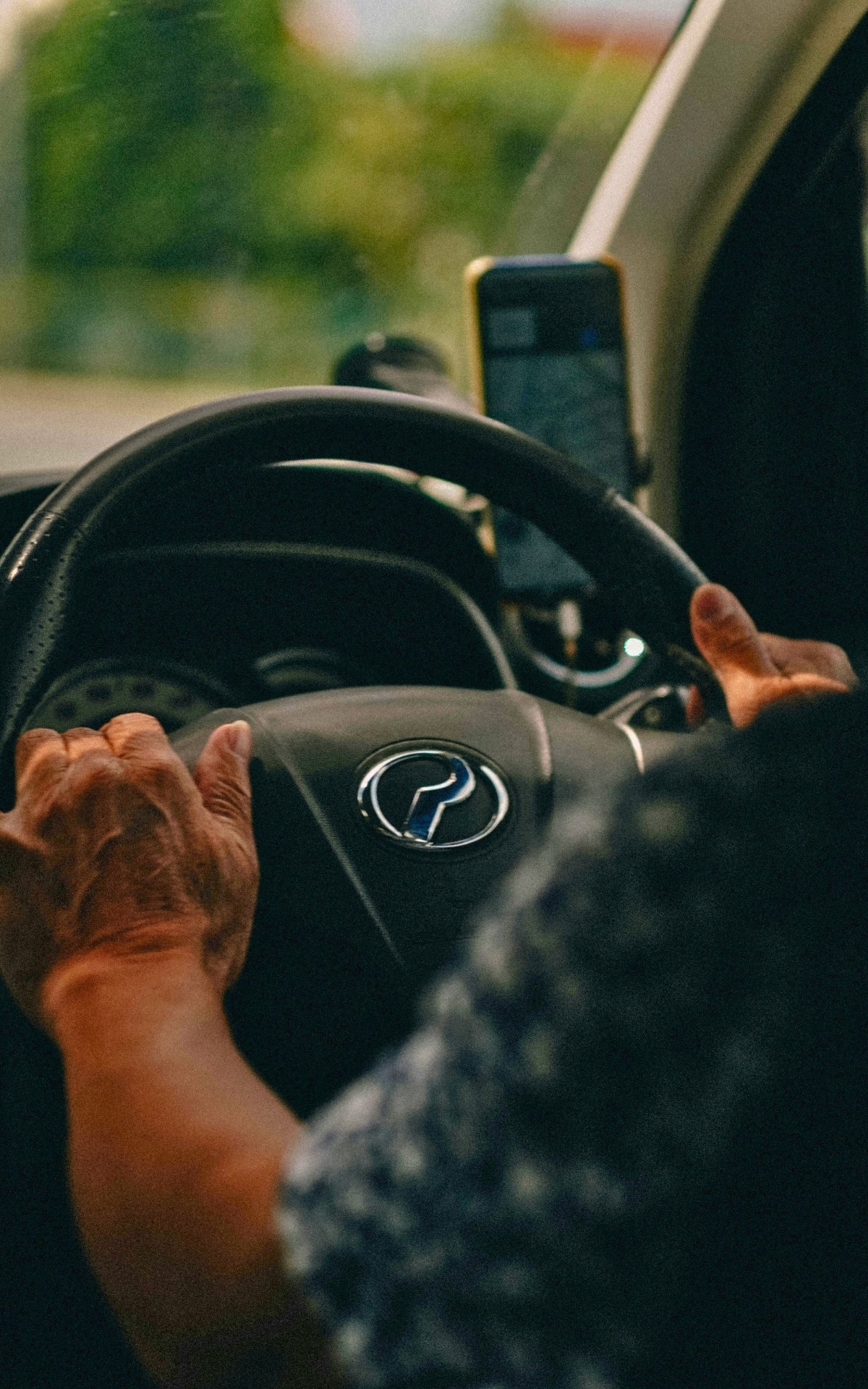
Do not self-drive. Roads are narrow, overtaking is a matter of faith, and average speeds are far lower than the map suggests — 120km can take four hours. A private chauffeur-guide is the standard here, costs less than car hire in Europe, and doubles as a guide, translator and fixer.
For the long hops, a helicopter turns Colombo–Tangalle from three hours into twenty-five minutes. The Kandy–Ella train is the one journey worth doing for its own sake.
Health, water and food
No mandatory vaccinations from the UK; hepatitis A and typhoid are commonly advised. Dengue exists — use repellent at dusk, particularly in Colombo and the wet zone. Tap water is not drinkable; good hotels supply filtered water in glass bottles, and their ice is fine.
Street food is safe when it is cooked hot in front of you. Rice and curry is the national dish and arrives as a dozen small plates — order it once at a home kitchen rather than a hotel buffet and it will be the meal you remember.
Before you book
Sort the ETA visa, check which coast is dry in your month, and read the current safety picture. Then tell us your dates.
Plan with us
A senior planner will reply within 24 hours.
Personalised itinerary, indicative pricing in £, no obligation.
Begin your bespoke journeyCompare at a glance
Which Sri Lankan destination is right for you?
The short answer: pair one cultural stop, one hill-country stop and one coast. This table compares what each place is best for, when to go, how long to stay and how far it is from Colombo.
Cultural Triangle
- Best for
- First-timers, history, the iconic rock climb
- Best months
- Jan–Sep (driest Feb–Aug)
- Ideal stay
- 2 nights
- From Colombo
- 4 hrs by car · 30 mins by helicopter
- Pairs with
- Kandy, Habarana safaris
Central Highlands
- Best for
- Culture, temple ritual, a soft landing before the hills
- Best months
- Jan–Apr, Jul–Sep
- Ideal stay
- 1–2 nights
- From Colombo
- 3–3.5 hrs by car · 2.5 hrs by train
- Pairs with
- Sigiriya, Nuwara Eliya
Tea Country
- Best for
- Tea bungalows, cool air, Horton Plains
- Best months
- Jan–Apr
- Ideal stay
- 2–3 nights
- From Colombo
- 5 hrs by car
- Pairs with
- Kandy, Ella
Hill Country
- Best for
- The train ride, walks, relaxed hill romance
- Best months
- Jan–Apr
- Ideal stay
- 2–3 nights
- From Colombo
- 6 hrs by car · 45 mins by helicopter
- Pairs with
- Nuwara Eliya, Yala
South-east
- Best for
- Leopards and private dawn game drives
- Best months
- Feb–Jul
- Ideal stay
- 2 nights (4 drives)
- From Colombo
- 5 hrs by car
- Pairs with
- Ella, Tangalle
South
- Best for
- Guaranteed elephants, families with children
- Best months
- Year-round
- Ideal stay
- 1–2 nights
- From Colombo
- 4 hrs by car
- Pairs with
- Yala, the south coast
South-west Coast
- Best for
- Colonial fort, boutiques, villa living
- Best months
- Dec–Apr
- Ideal stay
- 2–3 nights
- From Colombo
- 1.5 hrs via expressway
- Pairs with
- Mirissa, Ahangama
South Coast
- Best for
- Blue whales, easy beach days
- Best months
- Nov–Apr (whales)
- Ideal stay
- 2–3 nights
- From Colombo
- 2 hrs via expressway
- Pairs with
- Galle, Tangalle
Far South Coast
- Best for
- Privacy, staffed villas, uncrowded sand
- Best months
- Dec–Apr
- Ideal stay
- 3–5 nights
- From Colombo
- 3 hrs via expressway
- Pairs with
- Yala, Galle
East Coast
- Best for
- Summer beaches when the south-west is wet
- Best months
- May–Sep
- Ideal stay
- 3–4 nights
- From Colombo
- 5.5 hrs by car · 1 hr by seaplane
- Pairs with
- Sigiriya, Pasikuda
Design your Sri Lanka journey
Name, email and a line about your trip is all we need — a senior planner replies within 24 hours.

Answers
Common questions
What currency does Sri Lanka use?+
The Sri Lankan rupee (LKR). Rates move, but budget roughly 380–400 rupees to the pound in 2026. Draw cash from ATMs on arrival rather than buying rupees in the UK — the airport rate is poor and UK bureaux are worse.
Can I use my card in Sri Lanka?+
Visa and Mastercard work in hotels, city restaurants, supermarkets and most shops in Colombo, Galle and Kandy. Amex is patchy. You still need cash for tuk-tuks, roadside food, temple donations, small guesthouses and tips. Carry 15,000–20,000 rupees at any time.
How much should I tip in Sri Lanka?+
Tipping is expected but modest. A rough guide: 500–1,000 rupees a day for a chauffeur-guide from the whole party, 200–500 for a safari tracker, 10% in restaurants where service is not already added, 200 rupees for hotel porters. Your chauffeur is the one who genuinely earns it — a good one shapes the whole trip.
What plug does Sri Lanka use?+
Type G — the same three-pin plug as the UK — alongside older type D round-pin sockets in some buildings. British visitors generally need no adaptor at all. Voltage is 230V, same as home.
Do I need a SIM card?+
It is worth it. A Dialog or Mobitel tourist SIM at Colombo airport costs about £6 for 25GB and a month of validity, and coverage is good almost everywhere including safari parks. An eSIM works too if your phone supports it. Hotel wifi is usually fine but drops out in the hills.
What should I wear in Sri Lanka?+
Light cotton and linen, and something warm for the hill country where nights fall to 10C. At temples, shoulders and knees must be covered for both men and women, and shoes and hats come off before you enter — carry a scarf and slip-on shoes. Swimwear is for the beach and pool only.
Is Sri Lanka safe for British tourists?+
Yes. Crime against visitors is rare and mostly opportunistic, the country has been stable since 2022, and the FCDO advises normal precautions for the great majority of the island. Read our dedicated safety guide for the current picture and the sensible caveats.
Can I drink the tap water?+
No — stick to bottled or filtered. Good hotels provide filtered water in glass bottles. Ice in reputable hotels and restaurants is made from filtered water and is fine. Street food is generally safe if it is cooked hot in front of you.
Should I hire a car in Sri Lanka?+
We would not. Roads are narrow, driving is assertive, and signage is inconsistent. A private chauffeur-guide costs less than a hire car in most of Europe, removes the risk entirely, and adds someone who knows which turning leads to the good lunch.
How much spending money do I need?+
Beyond a pre-paid luxury itinerary, £40–£60 per person per day covers lunches out, drinks, tips, entry fees and shopping comfortably. Temple and park entries are the main fixed costs: Sigiriya around £27, a Yala jeep permit around £20 per person.