
Orientation
Sri Lanka,
by the numbers.
Size, language, currency, capital, time zone, religion and food — the orientation worth having before you start planning, from people who live there.
Direct from LHR
~10h 45m non-stop
Time difference
GMT + 5h 30m
Visa
ETA online · ~£40
Pricing
Quoted in £ GBP
Plan from your country
The essentials
| Location | Indian Ocean, 30km off south-east India |
| Area | 65,610 km² — slightly smaller than Ireland |
| Population | ≈ 22 million |
| Capitals | Sri Jayawardenepura Kotte (legislative); Colombo (commercial) |
| Languages | Sinhala and Tamil official; English widely spoken |
| Currency | Sri Lankan rupee (LKR), ≈ 380–400 to £1 |
| Time zone | UTC+5:30 — 5.5 hrs ahead of GMT, 4.5 ahead of BST |
| Flight from London | ≈ 11 hrs direct to Colombo (CMB) |
| Driving | On the left, as in the UK |
| Plug | Type G — the British three-pin, 230V |
| Highest point | Pidurutalagala, 2,524m |
| Former name | Ceylon, until 1972 |
How small it really is
This is the fact that changes how people plan. Sri Lanka is a quarter the size of the UK, and the classic circuit — ancient cities, tea country, safari, beach — fits inside a shape roughly the size of Wales.
The caveat is that roads are slow. A 120km drive is three to four hours, not ninety minutes. So the island is small but the days are not short, which is why we build routes around two- and three-night stays rather than nightly hops, and why a helicopter leg earns its cost on longer transfers.
People, language and faith
Twenty-two million people, majority Sinhalese, with substantial Tamil, Moor, Burgher and Malay communities. Sinhala and Tamil are both official; English is spoken widely and every guide we work with is fluent.
About 70% of the country is Theravada Buddhist, alongside Hindu, Muslim and Christian communities you will pass within the same hour's drive. Poya, the monthly full-moon day, is a public holiday — temples fill, and alcohol is not sold in shops or most restaurants. Worth knowing before you plan a celebration dinner.
Climate, in one line
Tropical, 27–32C on the coast every month of the year, with two monsoons hitting opposite coasts at opposite times so somewhere is always dry. Full detail in the weather guide.
Food
Rice and curry is not a dish, it is a table: a dozen small plates around rice — dhal, jackfruit, beetroot, a fish or chicken curry, papadam, coconut sambol. Hoppers for breakfast, kottu roti after dark, and heat levels genuinely higher than most Indian food British visitors know.
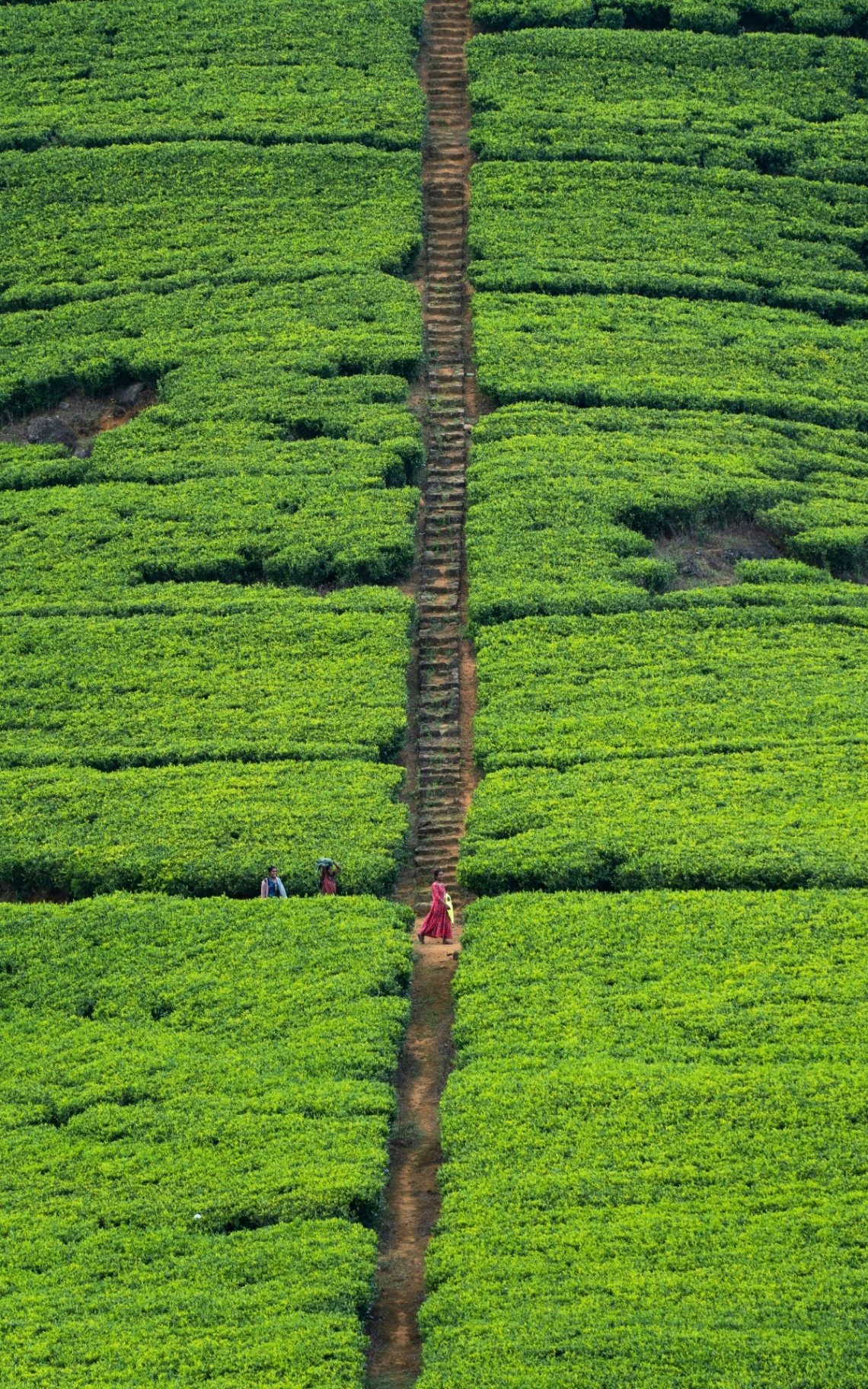
Ceylon tea is the other national fact. The estates above Hatton and Nuwara Eliya produce the high-grown leaf the country is named for — and you can sleep in the planters' bungalows.
What surprises first-timers
How green the hill country is. How cold Nuwara Eliya gets at night. That the leopard density at Yala is the highest anywhere on earth. That there are eight UNESCO World Heritage Sites on an island this size. And that you can be watching blue whales at 8am and drinking tea at 2,000m the following afternoon.
Start with the 25 things worth doing, then our Sri Lanka holidays.
Plan with us
A senior planner will reply within 24 hours.
Personalised itinerary, indicative pricing in £, no obligation.
Begin your bespoke journeyCompare at a glance
Which Sri Lankan destination is right for you?
The short answer: pair one cultural stop, one hill-country stop and one coast. This table compares what each place is best for, when to go, how long to stay and how far it is from Colombo.
Cultural Triangle
- Best for
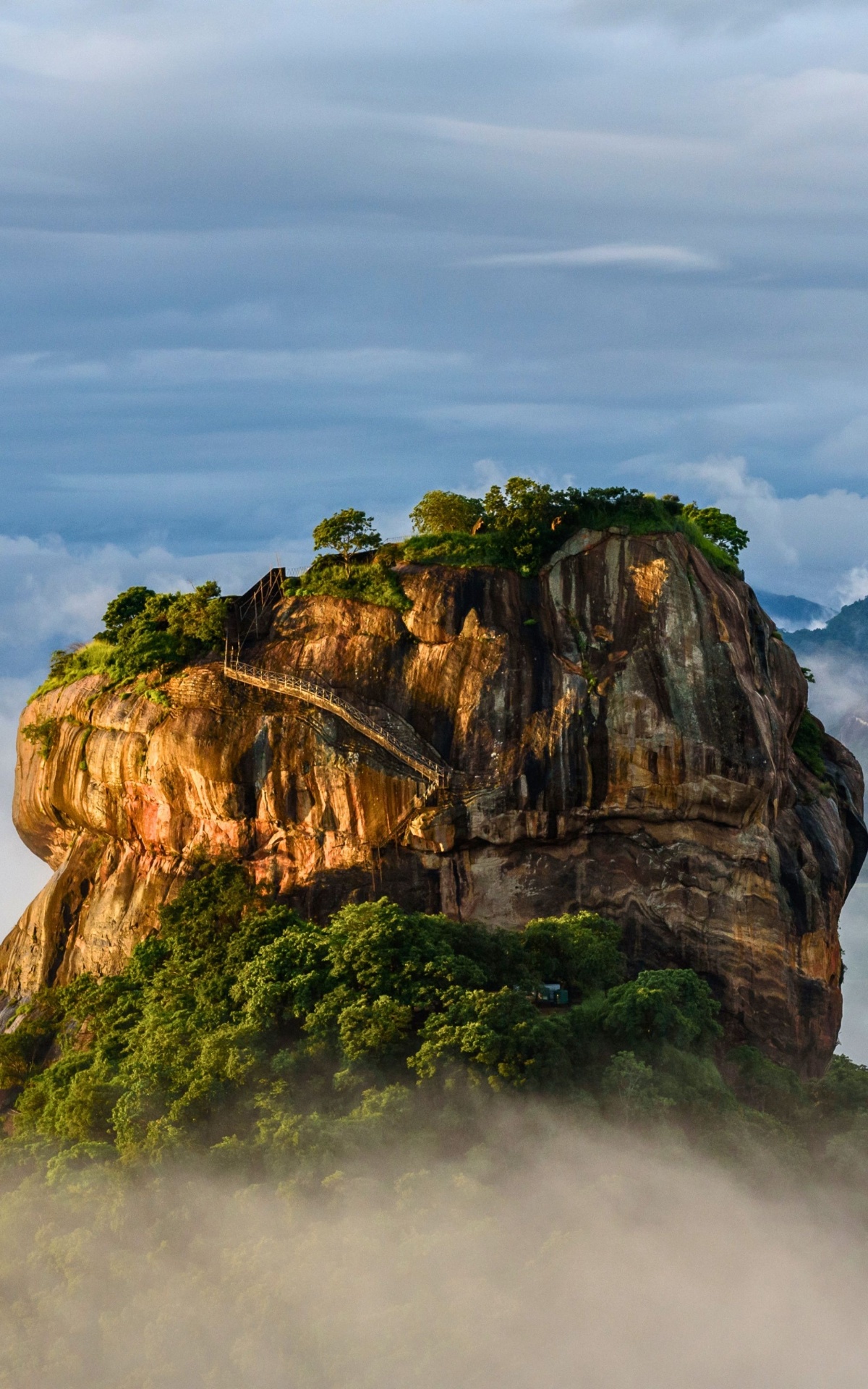
- First-timers, history, the iconic rock climb
- Best months
- Jan–Sep (driest Feb–Aug)
- Ideal stay
- 2 nights
- From Colombo
- 4 hrs by car · 30 mins by helicopter
- Pairs with
- Kandy, Habarana safaris
Central Highlands
- Best for
- Culture, temple ritual, a soft landing before the hills
- Best months
- Jan–Apr, Jul–Sep
- Ideal stay
- 1–2 nights
- From Colombo
- 3–3.5 hrs by car · 2.5 hrs by train
- Pairs with
- Sigiriya, Nuwara Eliya
Tea Country
- Best for
- Tea bungalows, cool air, Horton Plains
- Best months
- Jan–Apr
- Ideal stay
- 2–3 nights
- From Colombo
- 5 hrs by car
- Pairs with
- Kandy, Ella
Hill Country
- Best for
- The train ride, walks, relaxed hill romance
- Best months
- Jan–Apr
- Ideal stay
- 2–3 nights
- From Colombo
- 6 hrs by car · 45 mins by helicopter
- Pairs with
- Nuwara Eliya, Yala
South-east
- Best for
- Leopards and private dawn game drives
- Best months
- Feb–Jul
- Ideal stay
- 2 nights (4 drives)
- From Colombo
- 5 hrs by car
- Pairs with
- Ella, Tangalle
South
- Best for
- Guaranteed elephants, families with children
- Best months
- Year-round
- Ideal stay
- 1–2 nights
- From Colombo
- 4 hrs by car
- Pairs with
- Yala, the south coast
South-west Coast
- Best for
- Colonial fort, boutiques, villa living
- Best months
- Dec–Apr
- Ideal stay
- 2–3 nights
- From Colombo
- 1.5 hrs via expressway
- Pairs with
- Mirissa, Ahangama
South Coast
- Best for
- Blue whales, easy beach days
- Best months
- Nov–Apr (whales)
- Ideal stay
- 2–3 nights
- From Colombo
- 2 hrs via expressway
- Pairs with
- Galle, Tangalle
Far South Coast
- Best for
- Privacy, staffed villas, uncrowded sand
- Best months
- Dec–Apr
- Ideal stay
- 3–5 nights
- From Colombo
- 3 hrs via expressway
- Pairs with
- Yala, Galle
East Coast
- Best for
- Summer beaches when the south-west is wet
- Best months
- May–Sep
- Ideal stay
- 3–4 nights
- From Colombo
- 5.5 hrs by car · 1 hr by seaplane
- Pairs with
- Sigiriya, Pasikuda
Design your Sri Lanka journey
Name, email and a line about your trip is all we need — a senior planner replies within 24 hours.
Answers
Common questions
Where is Sri Lanka?+
An island in the Indian Ocean off the south-east tip of India, separated from it by the 30km Palk Strait. It sits between 6 and 10 degrees north of the equator, which is why the temperature barely changes all year.
How big is Sri Lanka?+
65,610 square kilometres — slightly smaller than Ireland, about a quarter the size of the United Kingdom. You can drive from the north coast to the south in a long day, and no point on the island is more than about 120km from the sea.
What is the capital of Sri Lanka?+
Two answers. Sri Jayawardenepura Kotte is the official legislative capital, a suburb east of Colombo where parliament sits. Colombo is the commercial capital, the largest city and where you will land and probably spend your first or last night.
What language do they speak in Sri Lanka?+
Sinhala and Tamil are both official languages, and English is a recognised link language spoken widely in hotels, restaurants and business. British travellers rarely encounter a language barrier on a guided trip.
What is the time difference between the UK and Sri Lanka?+
Sri Lanka is UTC+5:30, so 5.5 hours ahead of the UK in winter and 4.5 hours ahead during British Summer Time. The half-hour offset catches people out when setting alarms for a dawn safari.
What is the population of Sri Lanka?+
About 22 million. Roughly three-quarters are Sinhalese, around 11% Sri Lankan Tamil, 9% Moor, plus Indian Tamil, Burgher, Malay and Vedda communities.
What religion is Sri Lanka?+
Around 70% Theravada Buddhist, 12% Hindu, 10% Muslim and 7% Christian, and all four are visible within a single day's drive. Poya — the full-moon day each month — is a public holiday and alcohol is not sold.
What is Sri Lanka famous for?+
Ceylon tea, cinnamon, sapphires, cricket, leopards and elephants, eight UNESCO World Heritage Sites, and rice and curry. It was called Ceylon until 1972, which is why the tea still is.
What food is Sri Lanka known for?+
Rice and curry served as a dozen small dishes, hoppers (bowl-shaped fermented rice pancakes, often with an egg), kottu roti chopped on a hot griddle, string hoppers, and coconut sambol. It is hotter than Indian food more often than visitors expect.
Is Sri Lanka expensive?+
Not by British standards on the ground — a good local lunch is a few pounds. The cost of a luxury holiday sits in the hotels and flights, not daily spending. Our trips typically run £4,200–£9,000 per person for 10–14 nights including flights.